Our Story

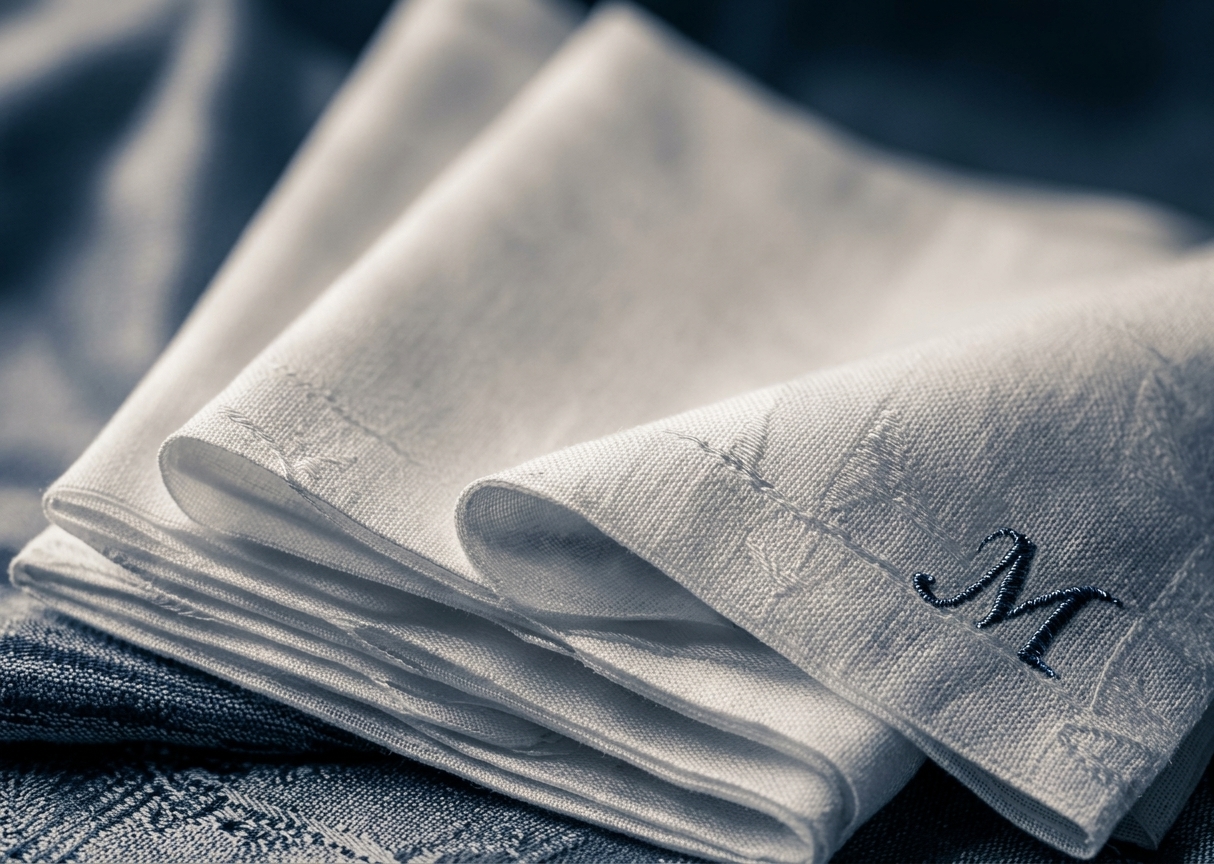
The textile tradition in Hořice spans almost five centuries. Machines, materials, and manufacturing processes have changed, yet one element endures: the deep knowledge of the craft, handed down through generations in the foothills of the Krkonoše Mountains.

Mileta builds upon this heritage—not as a historic weavers' guild or one of the first mechanical weaving mills, but as a global producer of fine shirtings.
1545
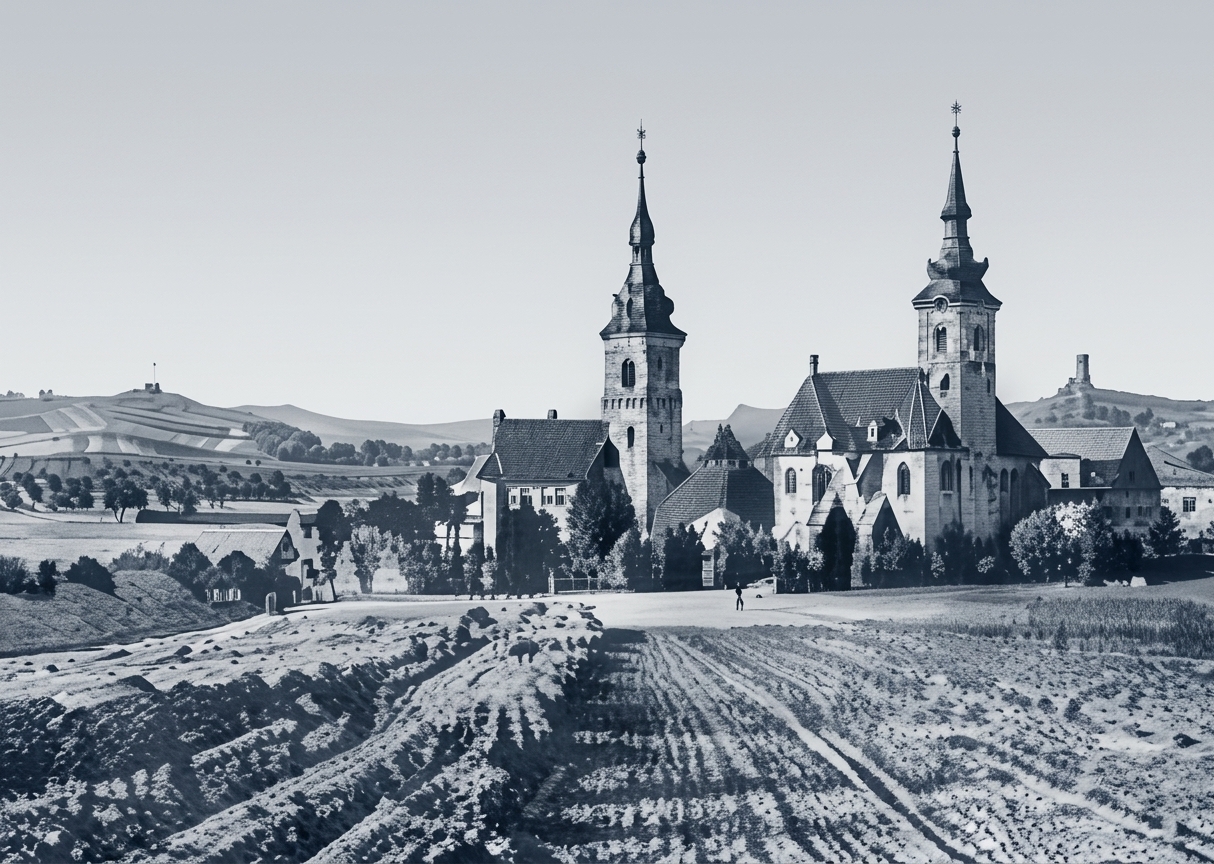
The first historical reference to the weavers' guild
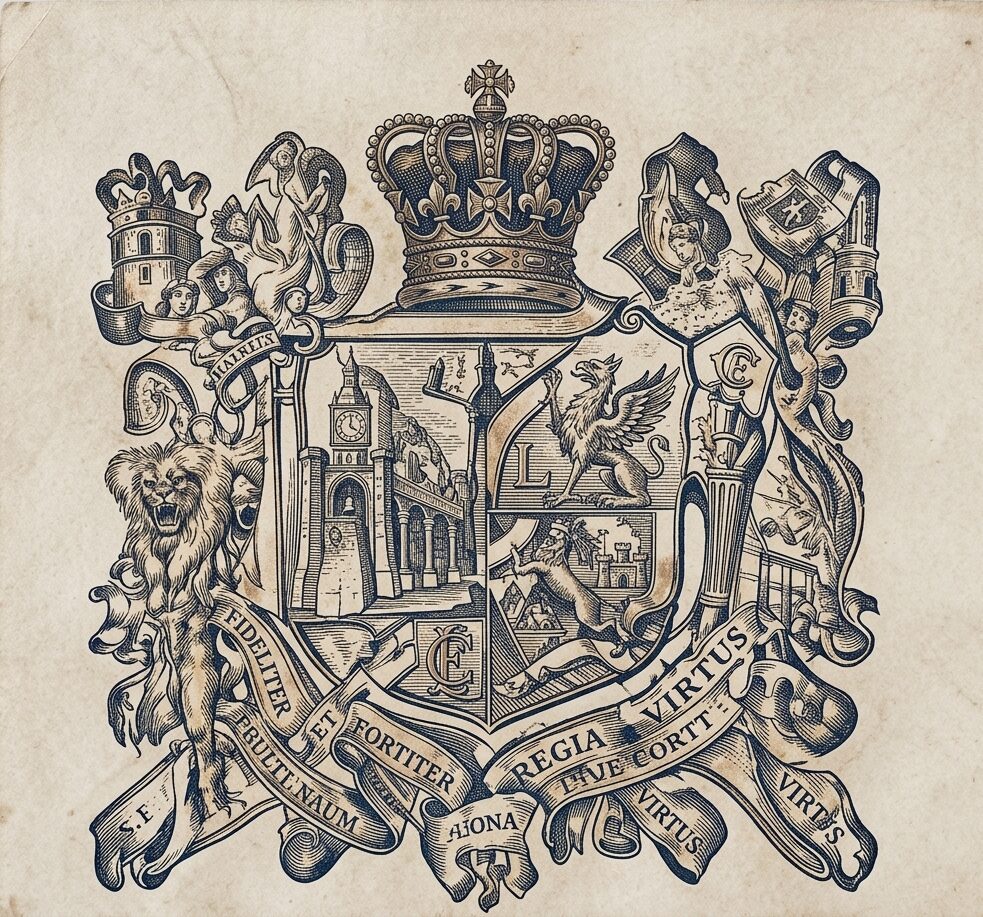
The earliest preserved privilege of the Hořice weavers' guild dates back to 1545. Already at that time, the foothills of the Krkonoše Mountains were known as a region with deep roots in linen weaving and yarn processing. It is right here that the story of the textile tradition begins, a heritage that Mileta proudly carries forward today.
Around 1845
From Hand Weaving to Factories
The mid-19th century brought the Industrial Revolution to Hořice. Mechanical weaving mills began to replace traditional hand looms, and textile production gradually moved from family households into larger facilities. At that time, approximately eight mechanical textile mills operated in the region. It was during this period that the foundations were laid for the industrial textile center that Hořice would later become. This era of expansion is closely tied to prominent entrepreneurial families such as the Goldschmidts, the Feuersteins, Karel Antonín Tuček, Rudolf Steinský-Sehnoutka, and the Menčíks.
1912
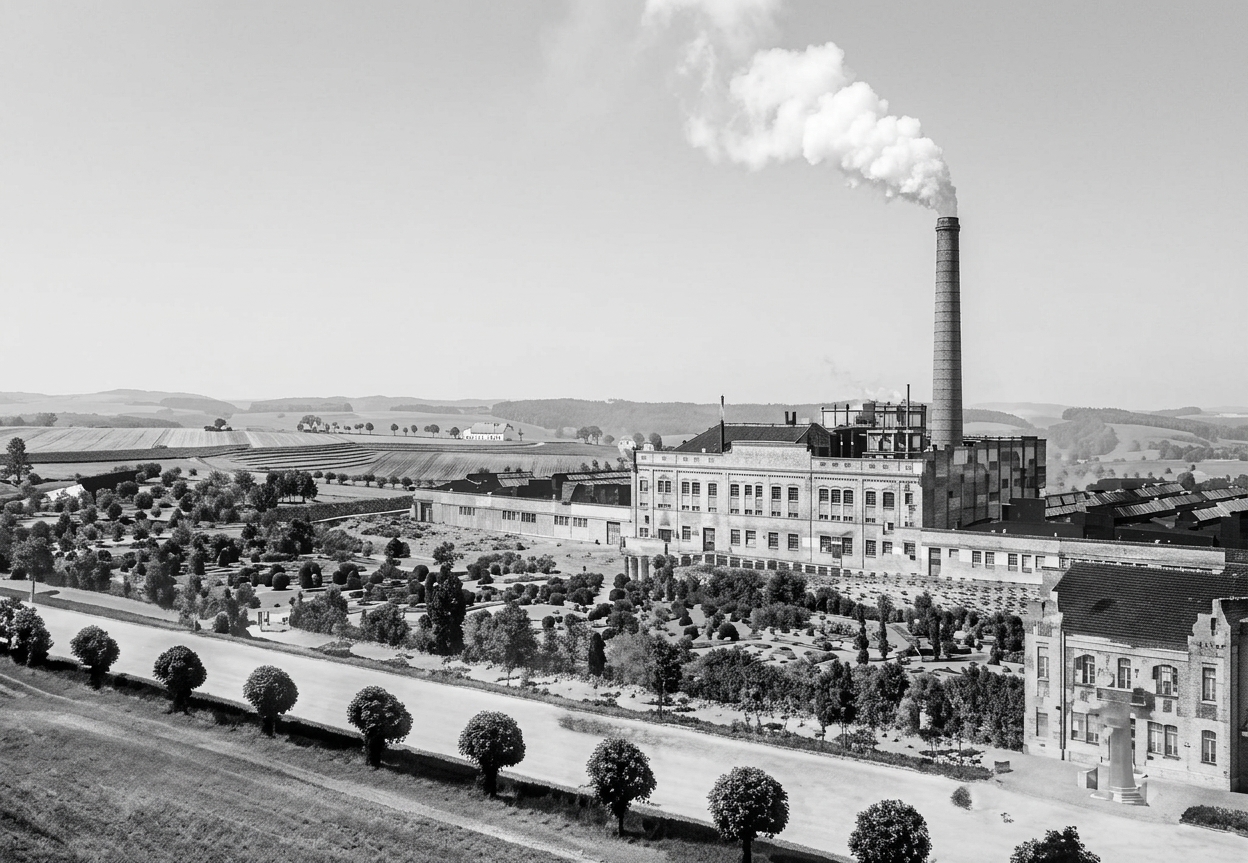
Hořice Becomes a Hub of Czech Textiles
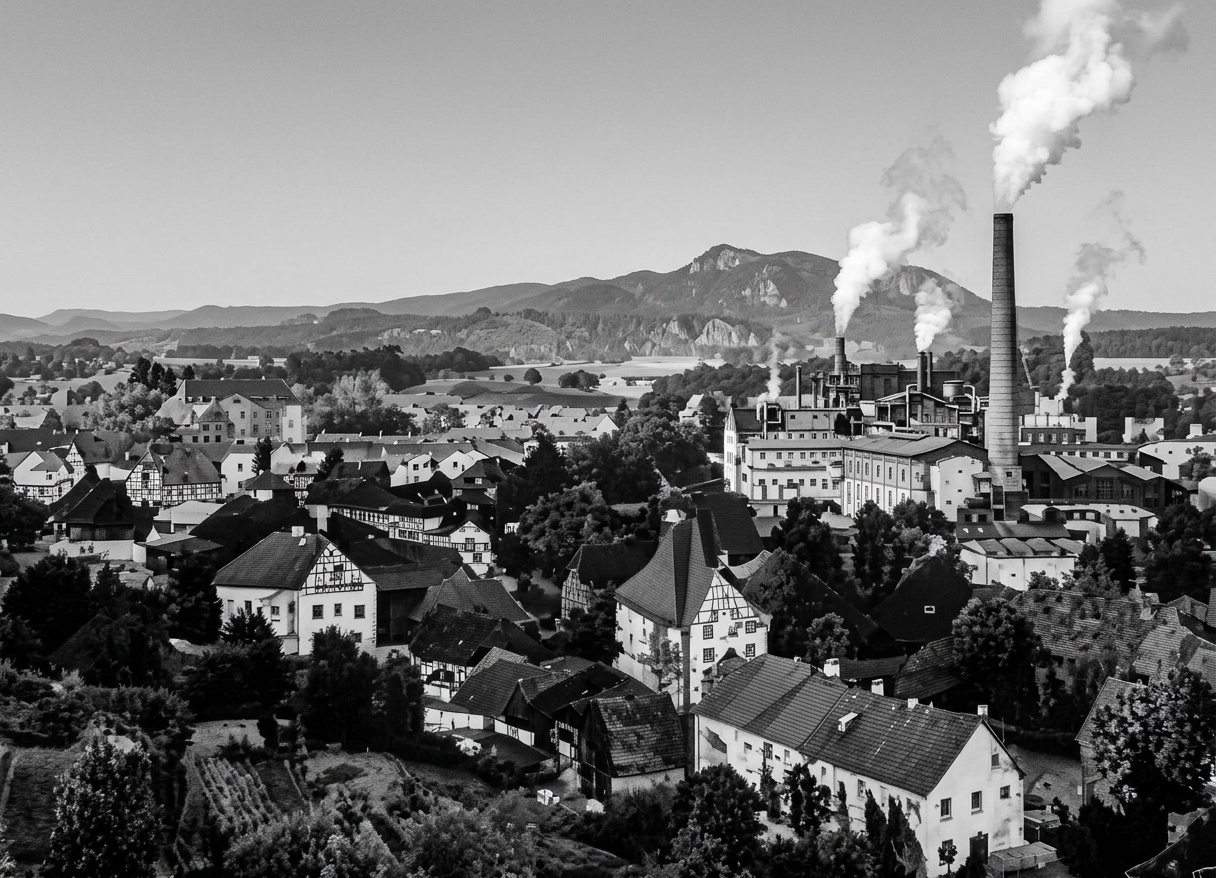
By the early 20th century, six textile factories were already operating in Hořice. Production employed a significant portion of the population in the town and its surroundings, establishing Hořice as a major center of the cotton industry in the Czech lands. Textiles were no longer just a local craft. They had evolved into a powerful industry that shaped the character of the town and the lives of thousands of people in the region. Around eight mechanized textile mills were operating across the region at the time. It was during this period that the foundations were laid for the industrial textile center that Hořice would later become. The growth of the industry was closely associated with prominent families and entrepreneurs such as the Goldschmidts, the Feuersteins, Karel Antonín Tuček, Rudolf Steinský-Sehnoutka, and the Menčík family.
From 1958
Hořice Handkerchiefs Reach the World
Weaving mills expanded, new production facilities were established, and textiles became one of the defining industries of the entire region. Mileta gradually became highly specialized in the production of handkerchiefs, exporting them to numerous countries around the globe. However, its product portfolio continued to expand. Alongside handkerchiefs, Mileta began manufacturing fine shirtings, batistes, damasks, table linens, and hotel textiles. It was precisely this mastery of working with extremely fine yarns and intricate weaves that laid the foundation for the company’s future specialization. A wealth of historical photographs from this period has survived, capturing factories, employees, and production itself and preserving the memory of an era of exceptionally rapid growth in Hořice’s textile industry.
18th Century
Linens from Podkrkonoší Reach Europe
In the 18th century, the Podkrkonoší region emerged as one of the most prominent textile areas in the Czech lands. Bohemian linen was exported across Europe, making textiles one of the country's most vital exports. Production still relied heavily on the work of home-based weavers. However, this was destined to change fundamentally in the century to come.
Late 19th Century
Textiles Transform Hořice
Weaving mills expanded, new facilities emerged, and the textile industry became one of the defining forces of the entire region. The Steinský and Sehnoutka families left a profound mark on this era. The Rudolf Steinský-Sehnoutka company operated a mechanical weaving mill and a finishing plant in Hořice, later expanding its business to Černožice, Hradec Králové, and other locations. Numerous historical photographs of factories, employees, and production survive from this period, serving today as a powerful reminder of the exceptionally rapid growth of the Hořice textile industry.
1949
The Birth of Mileta
On October 3, 1949, through the reorganization of ten regional textile mills, the MILETA enterprise was founded. It was named after the ancient Greek city of Miletus, renowned for centuries for the production of high-quality textiles. This marked the beginning of a new chapter for the Hořice textile industry. Centuries of local tradition were now united into a single, powerful manufacturing enterprise.
After 2012
A New Era of Manufacturing
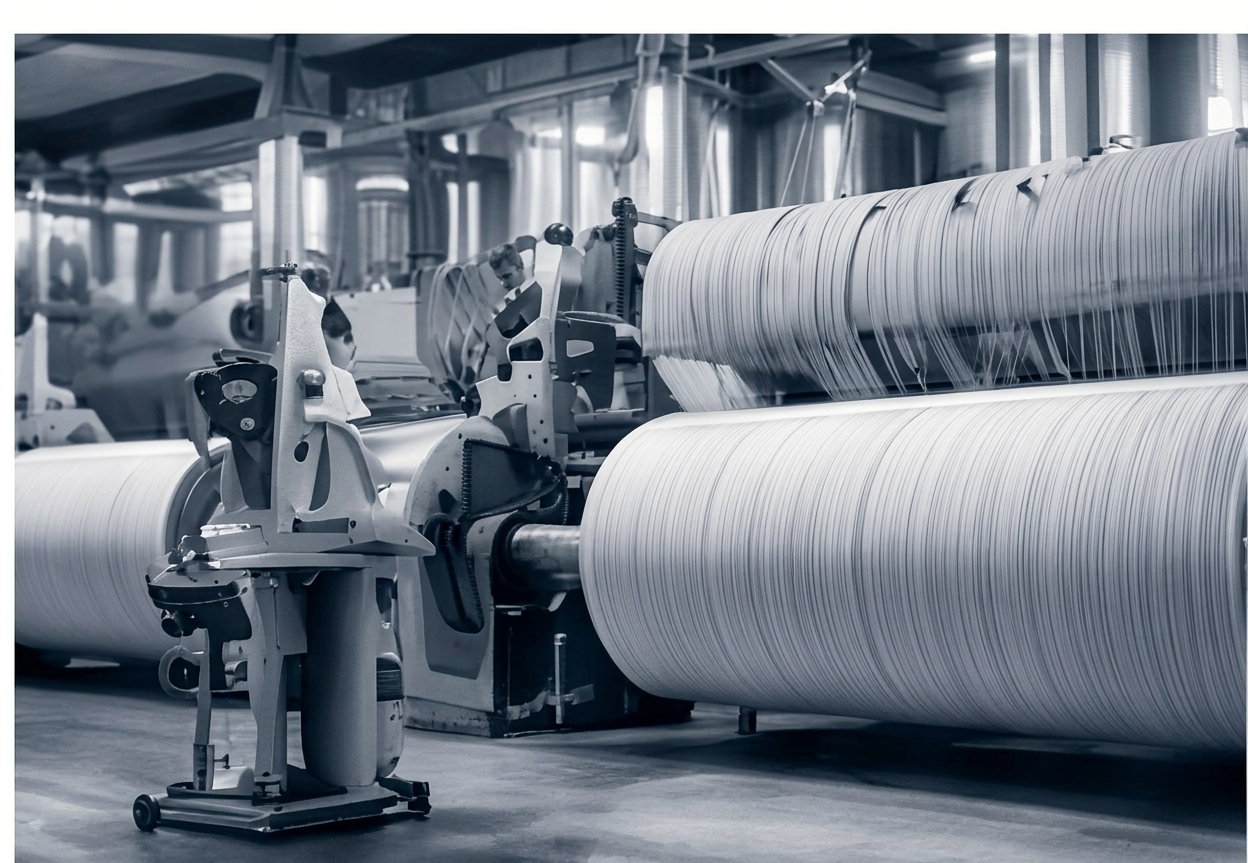
Post-2012, production underwent extensive modernization. However, these new technologies were combined with something no machine could ever replace: the deep expertise of people who truly understand yarn, weaving, dyeing, and finishing. Mileta has proudly maintained its vertically integrated production. This allows the company to manage every step—from handling the yarn to the final finishing of the fabric—as one seamless process, perfectly tailoring the end material to meet the exact requirements of the customer.
Today
Hořice Shirtings on the Global Stage
Today, Mileta focuses primarily on fine, luxury shirting fabrics. Working with the highest quality yarns, dyes, and materials, the company also collaborates with Italian designers to craft its collections. The result is a range of fabrics that perfectly marry technical manufacturing precision with vibrant colors, sophisticated patterns, and contemporary design. Through a network of trusted business partners and agents, products from Hořice reach markets across Europe and beyond, and Mileta proudly collaborates with major global fashion brands.

Nearly Five Centuries of Textiles.
One Continuing Story.

From the first known charter of the Hořice weavers in 1545, it has been a long journey—from domestic hand looms, through early mechanical mills and industrial factories, to today’s modern manufacturing.
Technology has changed almost beyond recognition. Yet, the essence remains the same: to craft yarn into a fabric that stands the test of time in quality, appearance, and craftsmanship.

And this is the very story that Mileta continues today.